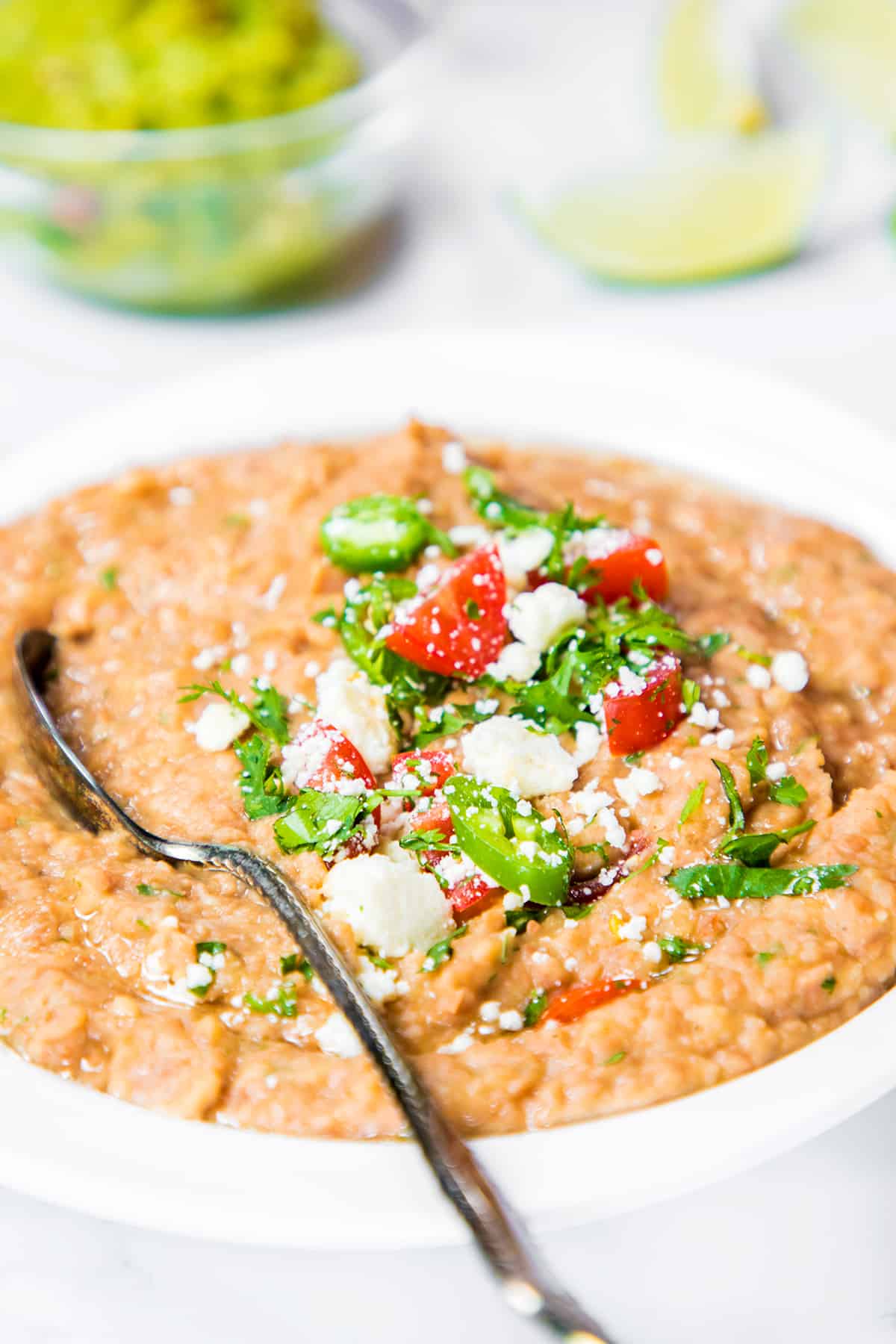
Forget everything you think you know about refried beans if your experience is limited to the canned variety. While convenient, the store-bought versions simply cannot compare to the depth of flavor, rich texture, and wholesome goodness of homemade refried beans. This Mexican food staple, often misunderstood as "re-fried" (fried twice), is actually a celebration of "very well-fried" beans, a concept that truly elevates them from a simple side dish to a culinary masterpiece. Making them from scratch is surprisingly easy, significantly healthier, and undeniably more authentic, transforming a humble pantry ingredient into a flavorful cornerstone for countless meals.
My own revelation came after spending time in Puebla, Mexico, where the culinary traditions run deep. It was there I discovered the profound difference that real, unprocessed ingredients and a little patience can make. The process of making homemade frijoles refritos is not only straightforward but also deeply rewarding, offering a taste experience miles away from the bland, often pasty, canned alternatives. Let's delve into how you can bring this authentic, easy, and healthier dish into your own kitchen.
The Authentic Difference: Why Homemade Refried Beans Reign Supreme
The journey to truly authentic refried beans begins with understanding their name. The Spanish term frijoles refritos is often mistranslated. In Mexican-Spanish, the prefix "re-" is commonly used for emphasis, not repetition. So, refritos doesn't mean "fried again," but rather "well-fried" or "thoroughly fried." This distinction is crucial, as it highlights the process of slowly cooking and mashing the beans in fat until they achieve a creamy, flavorful consistency, rather than just quickly reheating pre-cooked beans.
Beyond semantics, the benefits of making homemade refried beans are manifold:
- Unrivaled Flavor and Texture: Dried beans, when properly cooked, offer a nuanced flavor and a creamy, substantial texture that canned beans simply cannot replicate. The slow simmer in aromatic broth allows them to absorb flavors deeply.
- Healthier Ingredients: When you cook at home, you control every ingredient. This means no artificial preservatives, excessive sodium, or unknown additives often found in store-bought versions. You can choose high-quality fats and adjust salt to your preference.
- Cost-Effective: Dried beans are incredibly economical. A bag of dried pinto beans will yield a far greater quantity of refried beans than a single can, saving you money in the long run.
- Customization: From the type of fat you use to the spices you add, homemade allows for complete customization to suit your taste or dietary needs.
Mastering the Ingredients for Perfect Refried Beans
The beauty of authentic refried beans lies in their simplicity. You only need a handful of core ingredients, but the quality of each makes a significant difference.
The Star: Dried Pinto Beans (or Black Beans)
This is non-negotiable for authenticity and superior taste. Canned beans will not yield the same creamy texture or robust flavor. Dried pinto beans are the traditional choice, lending a beautiful earthy flavor and ideal consistency. However, black beans are a delicious alternative if you prefer their distinct taste. Look for dried beans in the Mexican food aisle or bulk section of your grocery store.
The Fat: Lard or Oil
Traditionally, lard (manteca) is used for its unparalleled flavor and ability to create a silky, rich texture. If you're hesitant about lard, high-quality vegetable oil (like avocado oil or canola oil) works well too, though it will impart a slightly different flavor profile. The fat is crucial for the "well-fried" aspect, caramelizing the beans and infusing them with savory notes.
Aromatics and Spices
- Onion: A quarter or half an onion, simmered with the beans, adds a foundational sweetness and depth. Some recipes call for sautéing chopped onion during the frying stage for an extra burst of flavor.
- Garlic: Fresh garlic, minced and lightly sautéed in the hot fat, is indispensable for that classic savory aroma.
- Cumin and Mexican Oregano: These spices are the heart of Mexican refried beans. Cumin offers warmth and earthiness, while Mexican oregano provides a distinct citrusy, slightly peppery note different from Mediterranean oregano.
- Salt: Essential for bringing out all the flavors. Season generously, tasting as you go.
Step-by-Step Guide to Homemade Refried Beans (Stovetop Method)
While the Instant Pot offers a faster route (which we'll cover briefly), the stovetop method is classic and allows for greater control over the simmering process, resulting in incredibly tender, flavorful beans.
Step 1: Rinse and Soak the Beans
Start by spreading your dried beans on a baking sheet or in a large bowl. Sift through them, removing any small stones, debris, or shriveled beans. Rinse them thoroughly in a colander under cold water. Transfer the cleaned beans to a large pot, cover them with plenty of cold water (at least 3-4 inches above the beans), and let them soak overnight (8-12 hours). This significantly reduces cooking time and helps with digestibility.
Pro Tip: If you're short on time, a "quick soak" method involves boiling the beans for 5 minutes, then letting them stand, covered, for 1 hour. However, overnight soaking yields the best results.
Step 2: Boil the Beans to Tender Perfection
- Drain the soaked beans and rinse them again. Place them back in the large pot.
- Add fresh cold water to cover the beans by about 2-3 inches.
- Add half an onion (peeled but left whole) and a generous couple of dashes of salt. Don't be shy with the salt; it's crucial for flavor.
- Bring the water to a rolling boil, then reduce the heat to low, cover the pot, and simmer gently.
- Cook for approximately 1.5 to 2 hours, or until the beans are incredibly tender and easily mashable. They should be soft enough to smush between your fingers without much resistance. Check periodically and add more hot water if the beans start to dry out. Reserve about 1-2 cups of the cooking liquid (bean broth) for later use.
Step 3: The "Well-Frying" Process
This is where the magic happens and the beans truly become "refritos."
- In a large, heavy-bottomed skillet or Dutch oven, heat 2-3 tablespoons of lard or oil over medium heat until shimmering.
- Add 2-3 cloves of minced fresh garlic to the hot fat and sauté for about 30 seconds until fragrant. Be careful not to burn it.
- Using a slotted spoon, transfer about half of the cooked beans (without too much liquid) into the skillet with the garlic and fat.
- Add 1 teaspoon of ground cumin and ½ teaspoon of dried Mexican oregano (crushed between your palms to release its oils).
- Pour in about ¼ cup of the reserved bean broth.
Step 4: Mash and Sauté to Desired Consistency
- With a potato masher, fork, or even an immersion blender (for a smoother texture), begin to mash the beans in the skillet.
- As you mash, continue to stir and sauté the beans, allowing them to gently fry in the fat. This process develops their flavor and creates that characteristic creamy yet slightly chunky texture.
- Gradually add more of the cooked beans and reserved bean broth as needed, mashing and stirring, until you achieve your desired consistency. For a creamier finish, add more broth; for a thicker texture, use less.
- Continue to cook and mash for 10-15 minutes, ensuring the beans are "well-fried" and thoroughly integrated with the fat and spices.
- Taste and adjust seasoning with additional salt if necessary. A pinch of black pepper can also enhance the flavor.
Instant Pot Magic: A Faster Path to Delicious Refried Beans
For those who love kitchen gadgets, the Instant Pot is a game-changer for reducing bean cooking time without sacrificing flavor. You still get the benefits of using dried beans, but without the overnight soak (though it's still recommended if you have the time for even better texture and digestion).
Instant Pot Method Overview:
- Rinse Beans: Thoroughly rinse 1 lb of dried pinto beans.
- Combine & Cook: Add rinsed beans, ½ onion, and a good pinch of salt to the Instant Pot. Cover with 7-8 cups of fresh water.
- Pressure Cook: Seal the lid, set valve to sealing, and pressure cook on high for 45-50 minutes.
- Natural Release: Allow for a natural pressure release for at least 25 minutes, then quick release any remaining pressure. Check if beans are tender.
- Sauté & Mash: Drain the beans, reserving about ½ cup of the cooking liquid. Switch the Instant Pot to SAUTE mode. Add 2-3 tablespoons of lard or oil. Sauté minced garlic until fragrant, then add the beans, cumin, oregano, and ¼ cup of reserved broth. Mash directly in the pot, adding more broth as needed, until desired consistency is reached.
Tips for Refried Beans Perfection and Serving Suggestions
Achieving the Perfect Texture
- Creamy vs. Chunky: Use a potato masher for a chunkier texture, or an immersion blender for a smoother, almost puréed consistency.
- Adjusting Consistency: If your beans are too thick, add more reserved bean broth or a splash of water. If they're too thin, continue to cook them down on low heat, stirring frequently, until they thicken.
Flavor Enhancements
- Smoked Paprika: A touch of smoked paprika can add a wonderful depth and smoky flavor.
- Chili Powder: For a little extra warmth, incorporate a teaspoon of your favorite chili powder blend during the frying stage.
- Chopped Jalapeño/Serrano: Sauté finely diced fresh chilies with the garlic for a spicy kick.
- Cilantro: A sprinkle of fresh cilantro just before serving adds brightness.
Serving Your Homemade Refried Beans
Homemade refried beans are incredibly versatile:
- Classic Side Dish: Serve alongside huevos rancheros, enchiladas, or any grilled meat.
- Taco & Burrito Filler: A delicious and filling base for your favorite tacos, burritos, or quesadillas.
- Dip: Excellent as a dip with tortilla chips, perhaps topped with cheese, salsa, and sour cream.
- Tostadas & Sopes: Spread a layer on crispy tostadas or sopes for a satisfying meal.
Storage and Reheating
Store leftover refried beans in an airtight container in the refrigerator for up to 5-7 days. They also freeze beautifully for up to 3 months. To reheat, gently warm them on the stovetop over low heat, adding a splash of water or broth to loosen them up if needed. A pat of butter or a drizzle of fresh lard can also revive their flavor and texture.
Embrace the tradition and simplicity of making homemade refried beans. This process not only yields a superior product but also connects you to the rich culinary heritage of Mexican cuisine. With just a few basic ingredients and a little time, you'll discover a dish that is not only easy to make and healthier for your family but also bursting with authentic flavor that will make you cringe at the thought of canned beans ever again. Give it a try – your taste buds will thank you!
